
Creative and Effective Event Stage Design

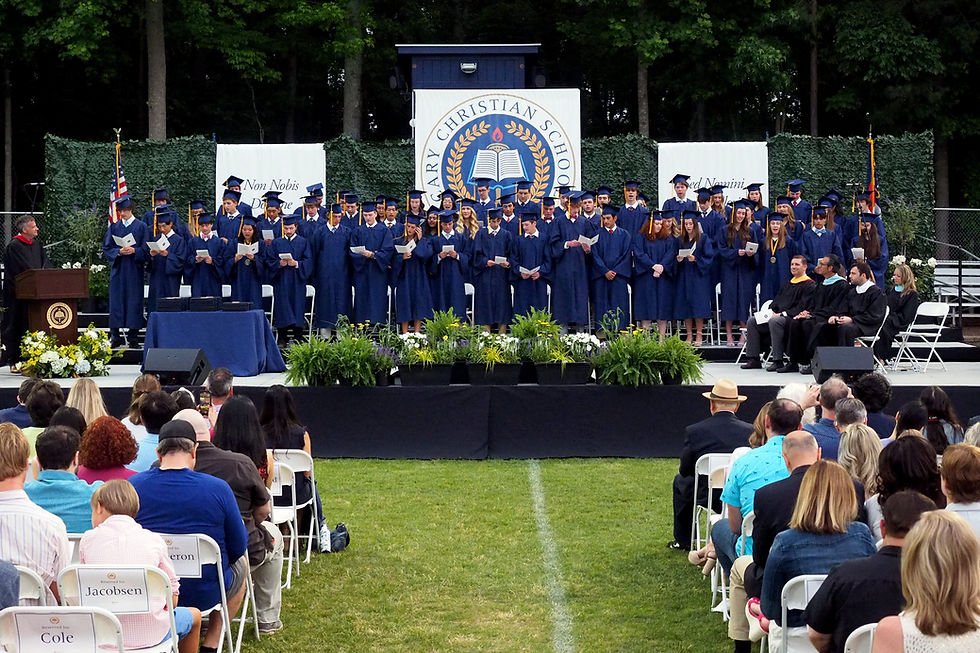
Creating an unforgettable event atmosphere starts with a well-designed stage. The stage is the focal point where all eyes gather, and its design can make or break the entire experience. Whether you’re planning a corporate conference, a wedding, a school function, or a large-scale concert, effective event stage design is essential. It sets the tone, enhances the message, and keeps the audience engaged.
In this post, I’ll share practical tips, creative ideas, and actionable steps to help you design a stage that stands out. Let’s dive into the world of stage design and explore how to transform any event into a memorable occasion.
Why Effective Event Stage Design Matters
A stage is more than just a platform. It’s a storytelling tool. When designed thoughtfully, it:
Captures attention immediately upon entry.
Supports the event’s theme and branding.
Improves visibility for all attendees.
Enhances audio and visual experiences.
Creates a lasting impression that guests will talk about long after the event ends.
For example, a corporate event might use sleek, modern elements with clean lines and branded colors to convey professionalism. Meanwhile, a wedding stage might focus on romantic lighting, floral arrangements, and soft textures to create an intimate atmosphere.
The key is to align the stage design with the event’s purpose and audience expectations. This alignment ensures the stage complements the event rather than distracting from it.

Elements of Creative Stage Design
To create a stage that wows, consider these essential elements:
1. Layout and Structure
The stage layout depends on the event type and venue size. Common layouts include:
Proscenium stage: Traditional, framed stage ideal for performances.
Thrust stage: Extends into the audience, creating intimacy.
Arena stage: Surrounded by the audience, perfect for immersive experiences.
Choose a structure that maximizes visibility and suits the event flow.
2. Lighting
Lighting sets the mood and highlights key moments. Use a mix of:
Spotlights to focus on speakers or performers.
Ambient lighting to create atmosphere.
Color washes to match the event theme.
Dynamic lighting effects for energy and excitement.
3. Backdrops and Props
Backdrops provide context and branding opportunities. Options include:
Printed banners or screens.
LED walls for dynamic visuals.
Themed props that enhance storytelling.
4. Audio-Visual Integration
Clear sound and visuals are critical. Incorporate:
High-quality speakers and microphones.
Large screens or projectors for presentations.
Video content that complements the event.
5. Accessibility and Safety
Ensure the stage is accessible to all participants and complies with safety standards. Include ramps, guardrails, and non-slip surfaces where needed.
How to Design a Stage for an Event?
Designing a stage can feel overwhelming, but breaking it down into steps makes it manageable. Here’s my approach:
Step 1: Understand the Event Goals
Ask yourself:
What is the event’s purpose?
Who is the audience?
What emotions or messages should the stage convey?
Step 2: Assess the Venue
Visit the venue to:
Measure the available space.
Note lighting conditions and power sources.
Identify entry and exit points for performers or speakers.
Step 3: Sketch Your Ideas
Create rough sketches or digital mockups. Focus on:
Stage shape and size.
Placement of lighting and AV equipment.
Backdrop and decoration concepts.
Step 4: Choose Materials and Technology
Select materials that fit the budget and theme. Consider:
Lightweight, durable stage platforms.
LED screens or printed graphics.
Lighting fixtures and control systems.
Step 5: Collaborate with Professionals
Work with lighting designers, AV technicians, and decorators. Their expertise ensures your vision becomes reality without technical hiccups.
Step 6: Test and Rehearse
Before the event, conduct a full technical rehearsal. Check:
Lighting cues.
Sound clarity.
Visual displays.
Make adjustments as needed to guarantee a flawless experience.
Innovative Ideas to Elevate Your Stage Design
To make your stage truly creative, consider these ideas:
Interactive elements: Use touchscreens or live polls to engage the audience.
Themed stages: Design around a specific concept, like a tropical paradise or futuristic cityscape.
Multi-level stages: Add depth and dimension with platforms at different heights.
Sustainable materials: Use eco-friendly decor to promote green events.
Projection mapping: Transform the stage with dynamic visuals projected onto surfaces.
These ideas can be tailored to fit any event type and budget, adding a unique flair that guests will remember.
Bringing It All Together with Professional Support
Creating a standout stage requires skill and experience. Partnering with a reliable event production company can make all the difference. They bring:
Access to cutting-edge technology.
Experienced designers and technicians.
Efficient setup and teardown.
Creative input based on industry trends.
For those in the Triangle area, Heron Events, LLC is a trusted partner. They specialize in flawless production services and creative stage design for events, ensuring every detail aligns perfectly with your vision.
Final Thoughts on Crafting Memorable Event Stages
Designing a stage is an exciting opportunity to set the tone and elevate your event. By focusing on layout, lighting, backdrops, and technology, you can create a space that captivates and inspires. Remember to plan carefully, collaborate with experts, and test thoroughly.
With the right approach, your stage will not only support your event’s goals but also leave a lasting impression on every attendee. Ready to transform your next event? Start with a creative and effective stage design that speaks volumes.


Comments